Delegate the Work, But Do Not Delegate the Judgment
Dreamforce
Quick summary: The clearest guidance for Salesforce admins at Dreamforce 2026 came from a twenty-year admin in the admin keynote: delegate the work, but do not delegate the judgment. AI is good at technical labour. Deciding what should change, and whether a change is right, remains the admin's job, and it is becoming the more valuable half.
The best line of Dreamforce 2026 was not in the main keynote. It came from the admin keynote, from a managing director of technology at a careers nonprofit who has spent about twenty years in the Salesforce ecosystem.
AI has its place, definitely. It is the assistant that is amazing at technical work. And so I say let it do that technical work. Admins have the experience and the judgment that simply cannot be replaced. And so I say delegate the work, but don't delegate the judgment.
Source: Admin Keynote: Bring the Agentic Enterprise to Life
The host repeated it back immediately, which is what happens when someone says the thing everyone was circling.
Why that line lands harder than the keynote version
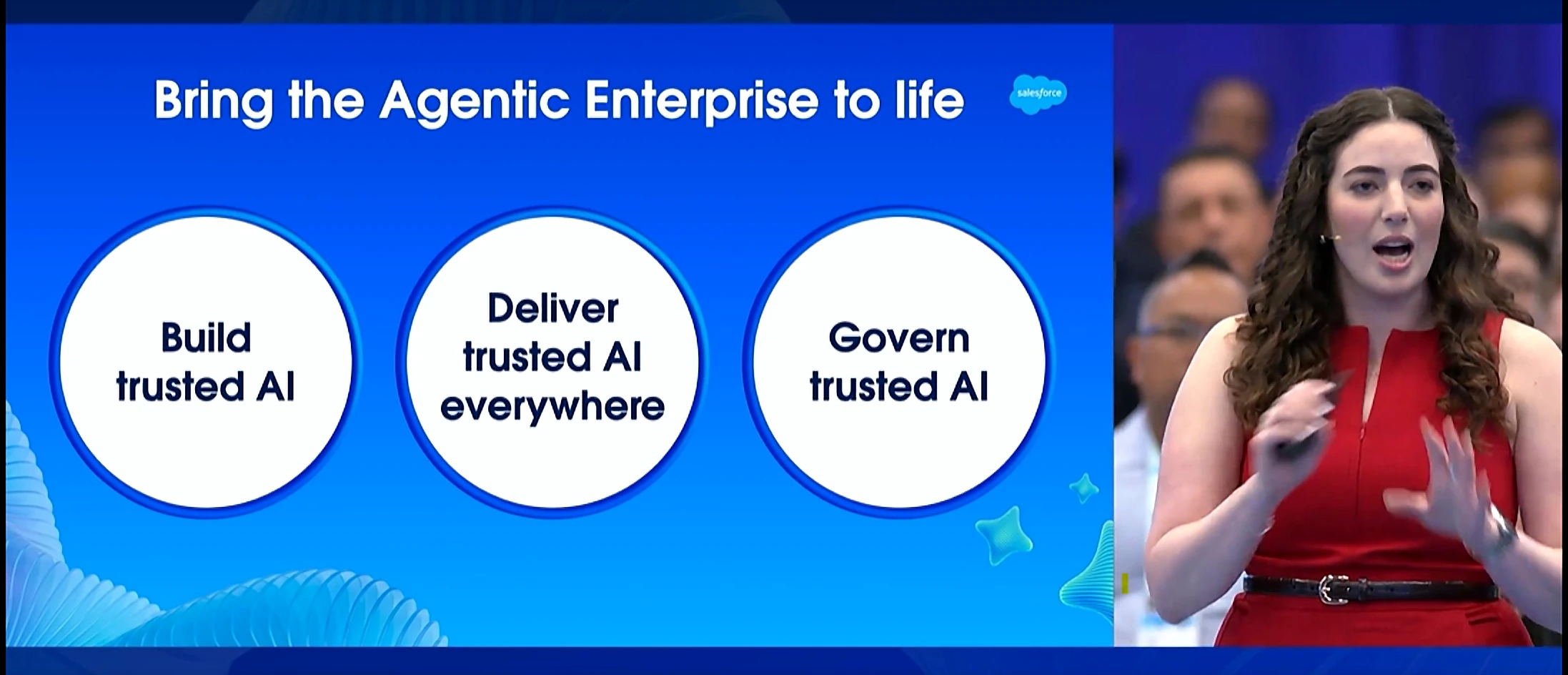
The official framing of the admin role this year was generous and slightly abstract. The admin keynote made the case that admin expertise is what the agentic enterprise runs on:
Because the expertise the agentic enterprise needs isn't new. You already have it. You understand your users, who they are, what they need, how they work. You understand your data, what it means, who needs access to it and the context behind it. You understand your processes, what can be automated and where humans need to be in the loop.
Source: Admin Keynote: Bring the Agentic Enterprise to Life
True, reassuring, and hard to act on. "Delegate the work, not the judgment" is actionable by Monday, because it tells you which half of your job to hand over.
The part of the admin job that is labour
Be honest about how much of the week is labour rather than judgment. Filling a field on four hundred records. Reassigning a territory. Fixing eight hundred misfiled products. Chasing owners for a next step. Running the duplicate job again.
None of that requires an admin. All of it currently consumes one, because the tools make it slow. That is the work to delegate, and the honest reading of Dreamforce is that most of it still has not been delegated anywhere.
The part that is judgment, and is getting harder
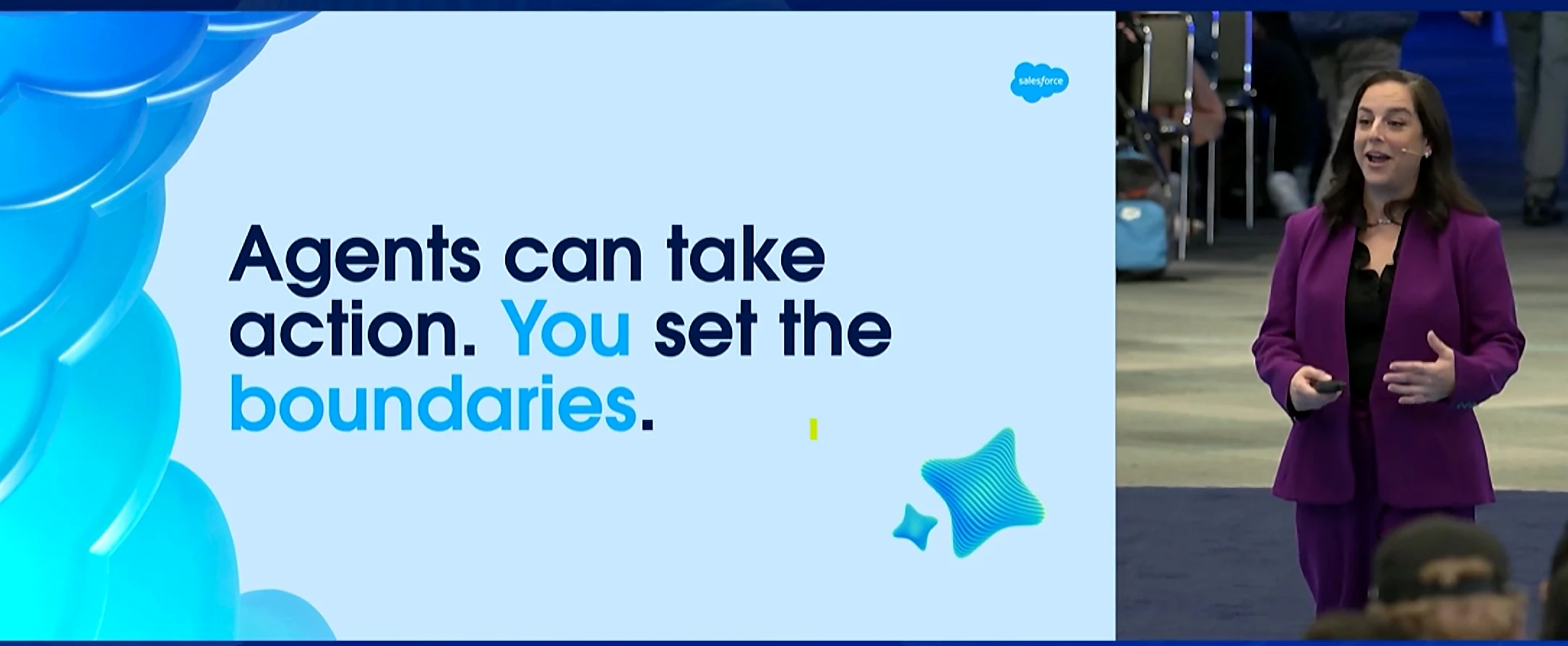
Meanwhile the judgment half is expanding. The admin keynote was explicit that the remit now includes agents, not only people:
Until recently, admins focused on securing your human users. But now things are changing and you have to think about how you secure your agents as well. And that's important because agents can access data. Admins can too. Agents can access data and they can take action and they can operate across your business.
Source: Admin Keynote: Bring the Agentic Enterprise to Life
A data governance lead in one of the Data 360 sessions put the sharpest version of why judgment cannot be handed over. Discussing whether an agent could work out if two records belong to the same person:
Today, and I believe for a period of time, an agent cannot consistently or cost-effectively determine if these transactions belong to the same person or not.
Source: Build Trusted Data for Agentforce with Data 360
That is a judgment call wearing a technical costume. Somebody who knows the business has to make it. Applying it across ten thousand records is the labour that should be automated.
The honest moment in the same keynote
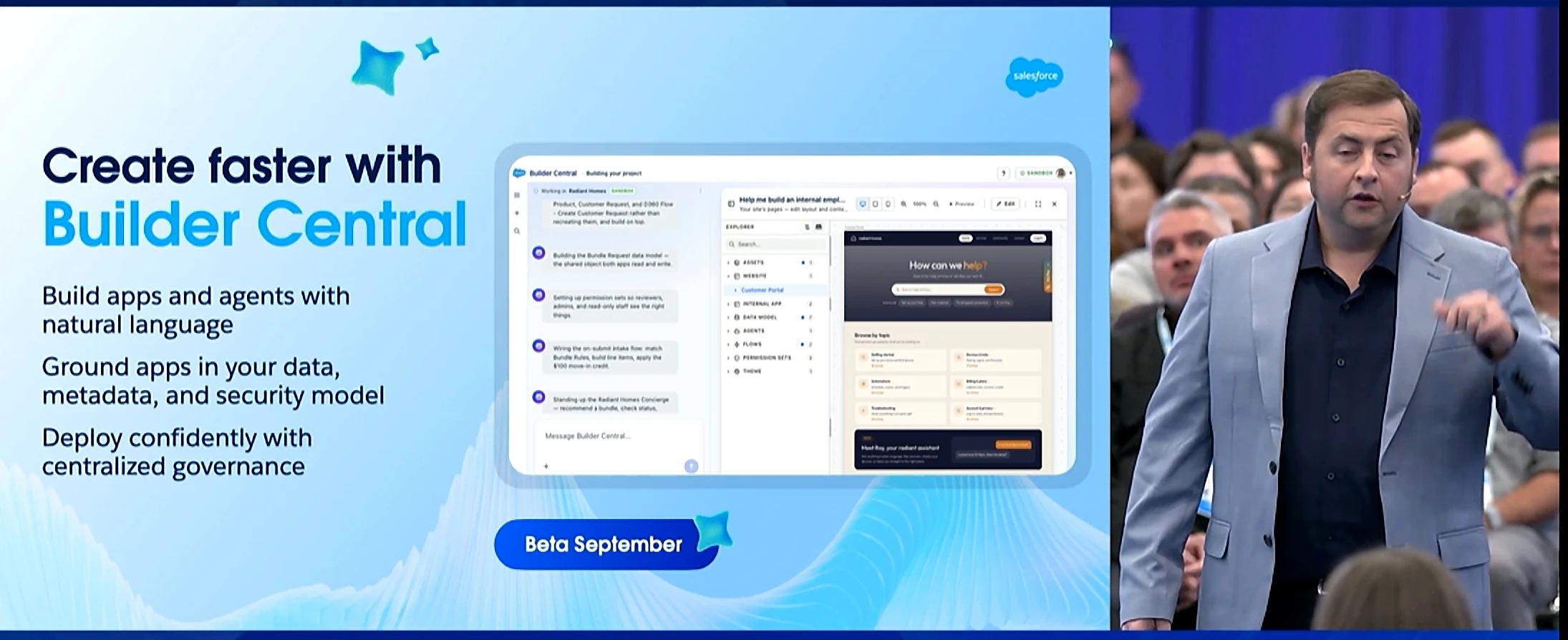
This one says something about pacing. During the Builder Central demo, the presenter stopped to tell the room the demo had been sped up:
Now, this ran really fast. You're like, wow, it's an amazing performance. No, it takes about 20 minutes, give or take, to build a real app. But we wanted to show you the whole flow today, so we sped it up a little bit.
Source: Admin Keynote: Bring the Agentic Enterprise to Life
We respect that. It is also the kind of disclosure that gets cut from the highlight clip, so it is worth repeating: twenty minutes, not twenty seconds.
What we would do with the next year
Start by finding out where your hours go. Use the tool below to mark each task as labour or judgment. The ratio is usually more lopsided than people expect.
Then:
- Automate or delegate the labour ruthlessly. That is what the tooling is for, and what your time costs.
- Spend the recovered hours on the judgment work that is arriving: what agents may touch, what they may change, and what needs a human before it saves.
- Keep a review step on anything an agent writes. Every serious demo we saw at Dreamforce had one, including the ones selling autonomy.
- Test in a sandbox. The admin keynote said so out loud after its most impressive demo, which tells you something.
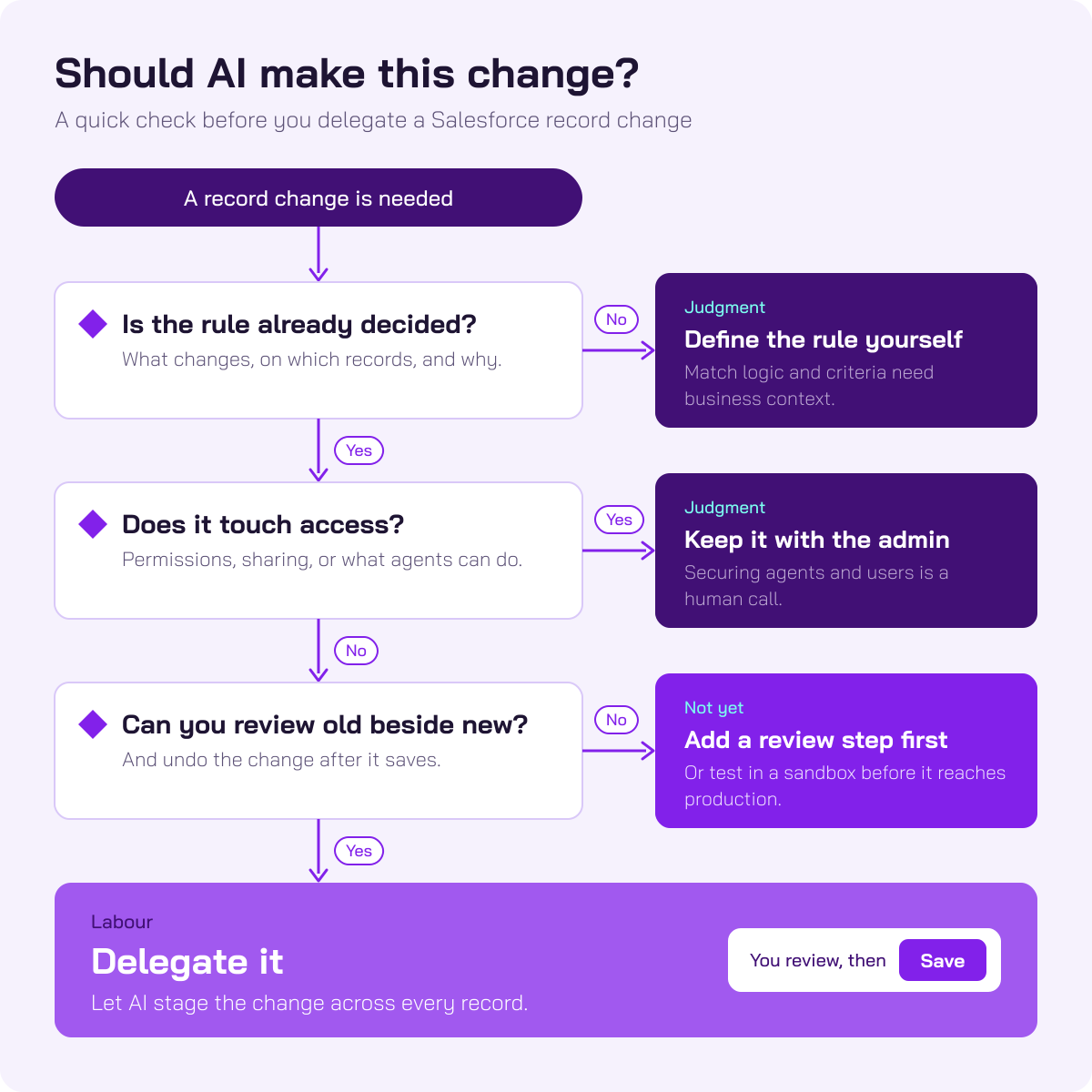
Before you hand any change over, run it through this check
Where we come into this
We are a vendor, and this is the section where that shows.
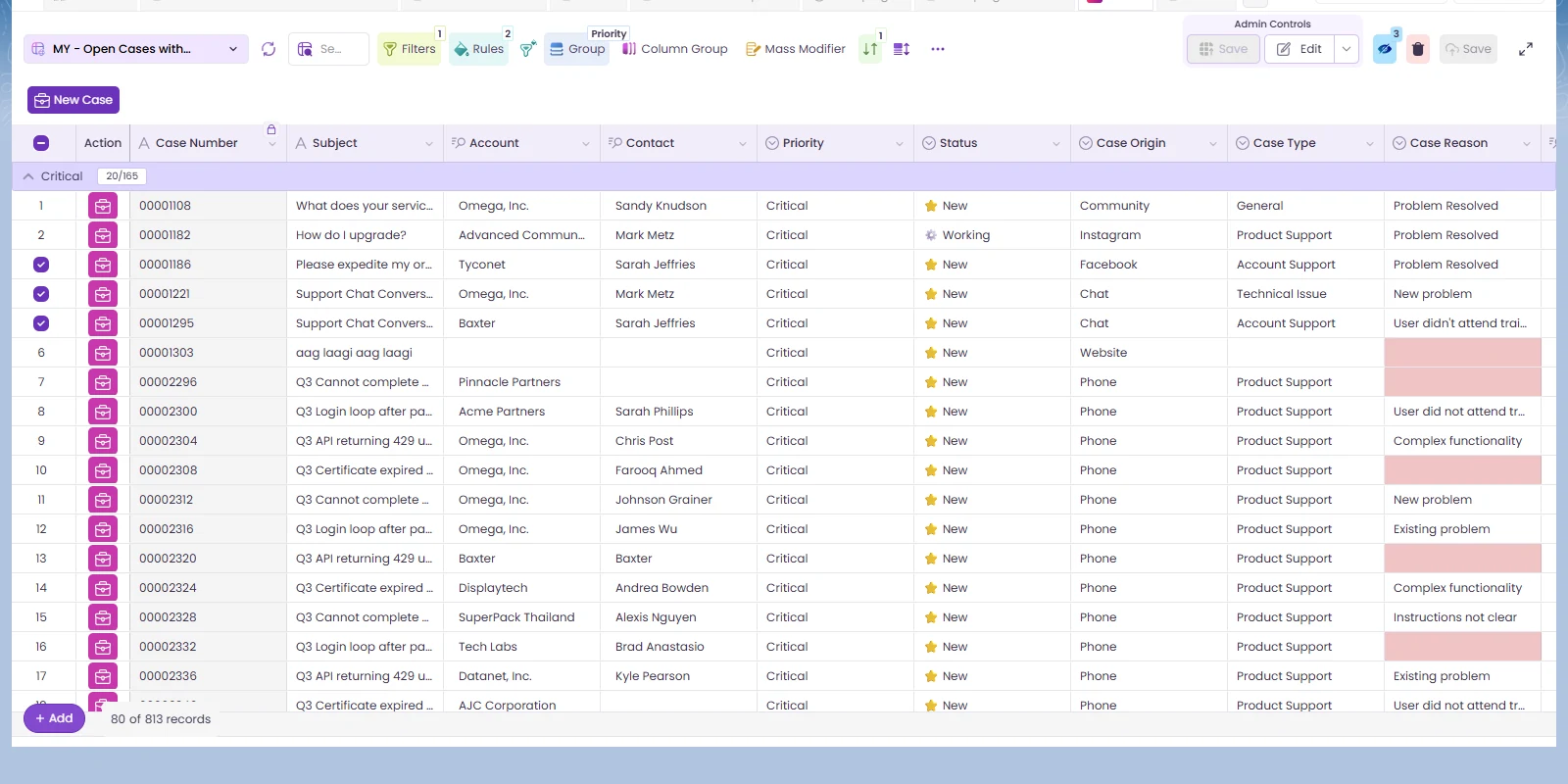
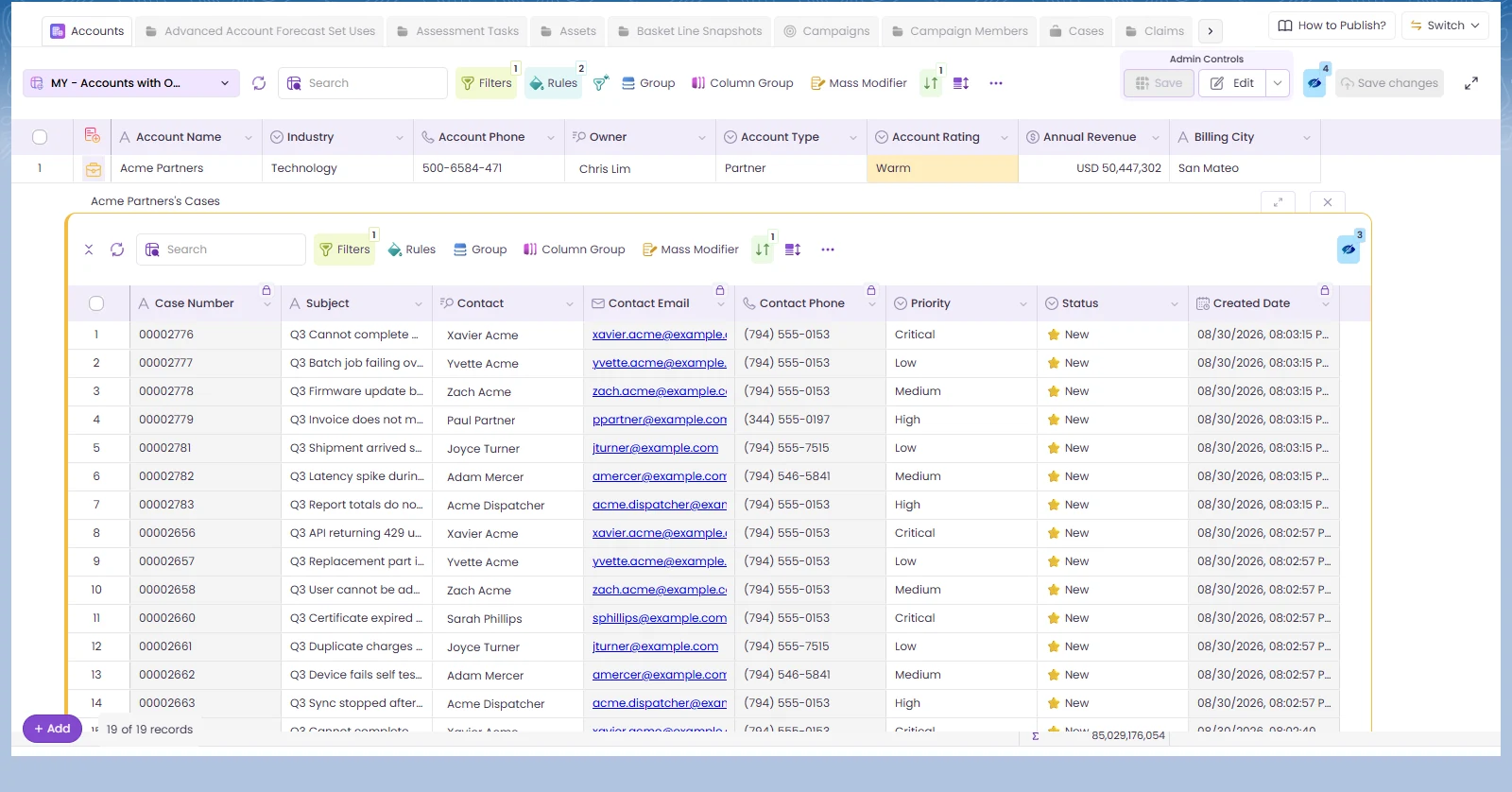
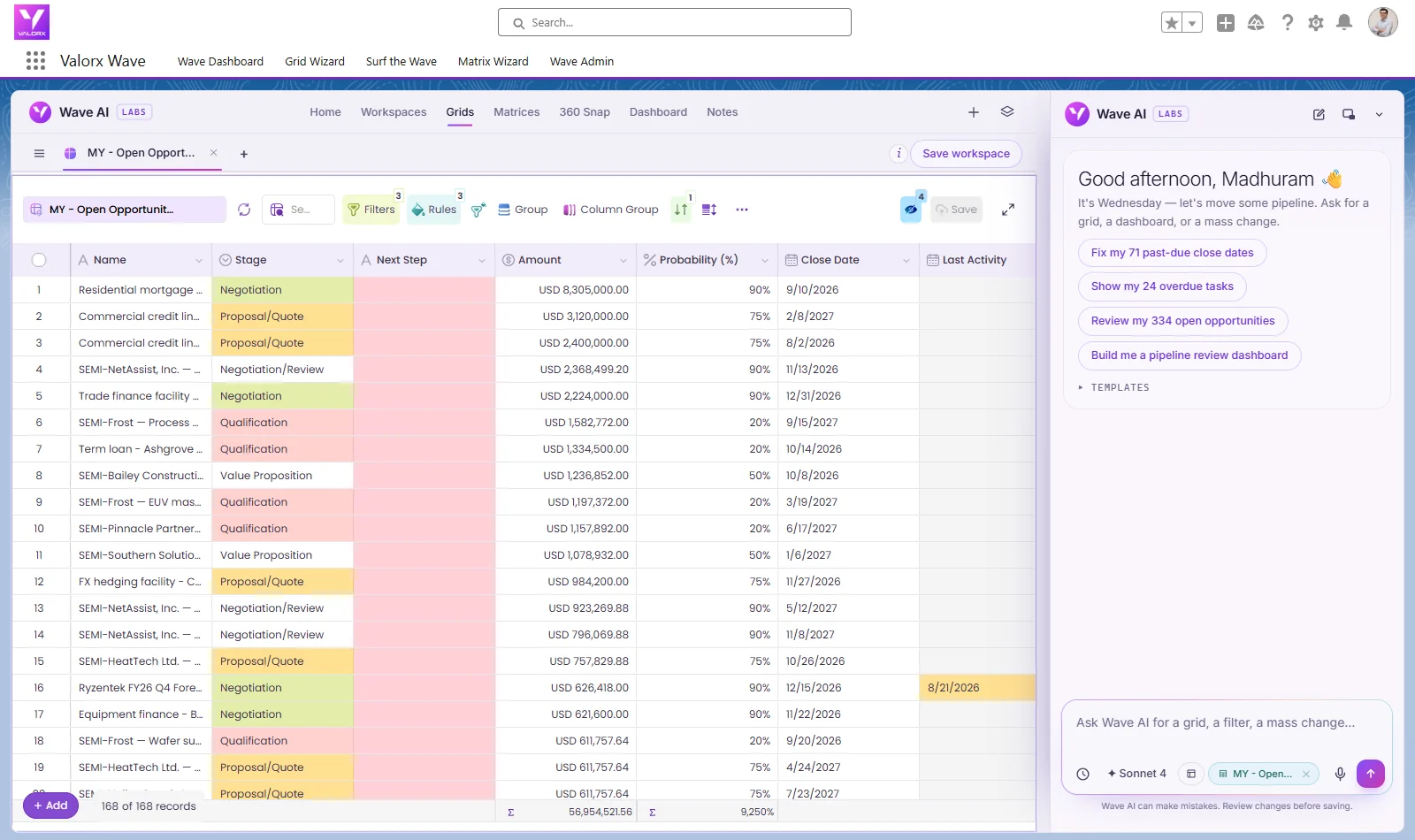
Valorx Wave is built for the labour half. Records sit in an editable grid inside Salesforce, and bulk changes are typed like a spreadsheet. Every change is staged with the old value beside the new one before it saves, and it can be undone after.
The AI builds the view and stages the change, but it never presses Save. Judgment stays with the admin, and the eight hundred rows stop taking a day.
Frequently asked questions
Will AI replace Salesforce admins?
The Dreamforce 2026 admin track argued the opposite. The technical labour is increasingly delegable, while the judgment about what should change, who may access what, and when a human must approve is expanding. The role shifts rather than shrinks.
What should Salesforce admins learn for the agentic era?
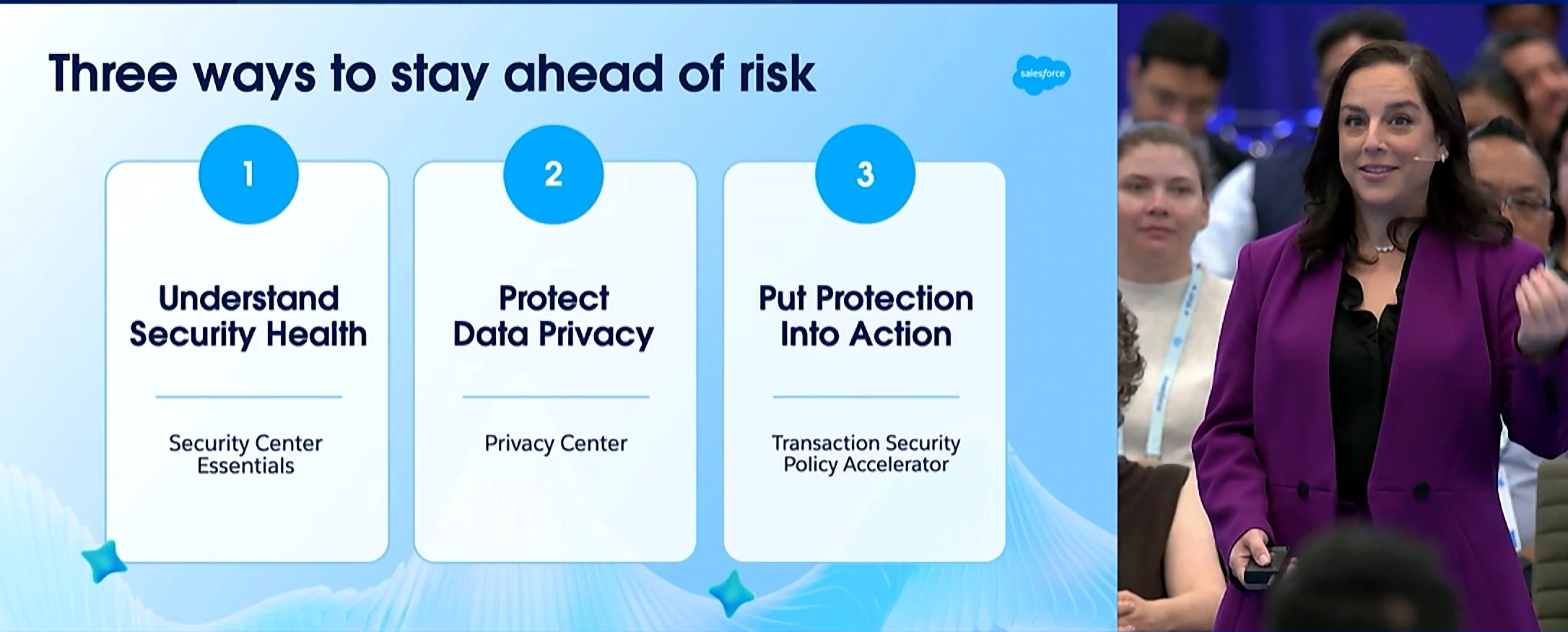
Governance of agents as well as users: what agents can see, what they can act on, and where an approval step belongs. The admin keynote framed securing agents as a new core responsibility.
How do I delegate bulk record updates without losing control?
Separate the change from the approval. Let a tool or an agent prepare the update across every record, then review each staged change with the old value beside the new one before anything saves. Keep an undo path for after it saves. Valorx Wave works this way inside Salesforce: the AI stages the change, and a person presses Save.
How long does it actually take to build an app with Builder Central?
In the admin keynote, the presenter disclosed that the demo was sped up and that building a real app takes about twenty minutes.
Sources
- Admin Keynote: Bring the Agentic Enterprise to Life, Dreamforce 2026, Salesforce+
- Build Trusted Data for Agentforce with Data 360, Dreamforce 2026, Salesforce+
A note on these quotes: all quotes are taken verbatim from the session captions. Captions carry no speaker labels, so quotes are attributed to the session rather than to an individual. Admin keynote speakers include community members and partners as well as Salesforce staff.






Choose the workflow you need:
Try Wave in browser Extension

Try Wave in Salesforce

Try Fusion In Excel

Enhancing Salesforce for industry leaders